Condo Water Leak Detection Systems in Ontario

Protect Your Building Before a Small Leak Becomes a Major Loss

Water damage can spread quickly through a condominium building, affecting multiple units, common areas, mechanical systems and valuable building assets.

NorGaard Solutions provides condo water leak detection systems in Ontario designed to identify abnormal water activity early, respond automatically and give property managers, condo boards and building operators greater oversight of water risk.

Our approach combines real time water monitoring, point of location sensors, automatic water shutoff and centralized system management to help reduce the severity of water losses and protect the long term value of the building.

Looking to reduce water risk in your condominium?

Request a Building Risk Snapshot to identify potential vulnerabilities and practical risk reduction opportunities.

Water Damage Is a Building Wide Risk

A leak inside one condominium unit rarely affects only that unit.

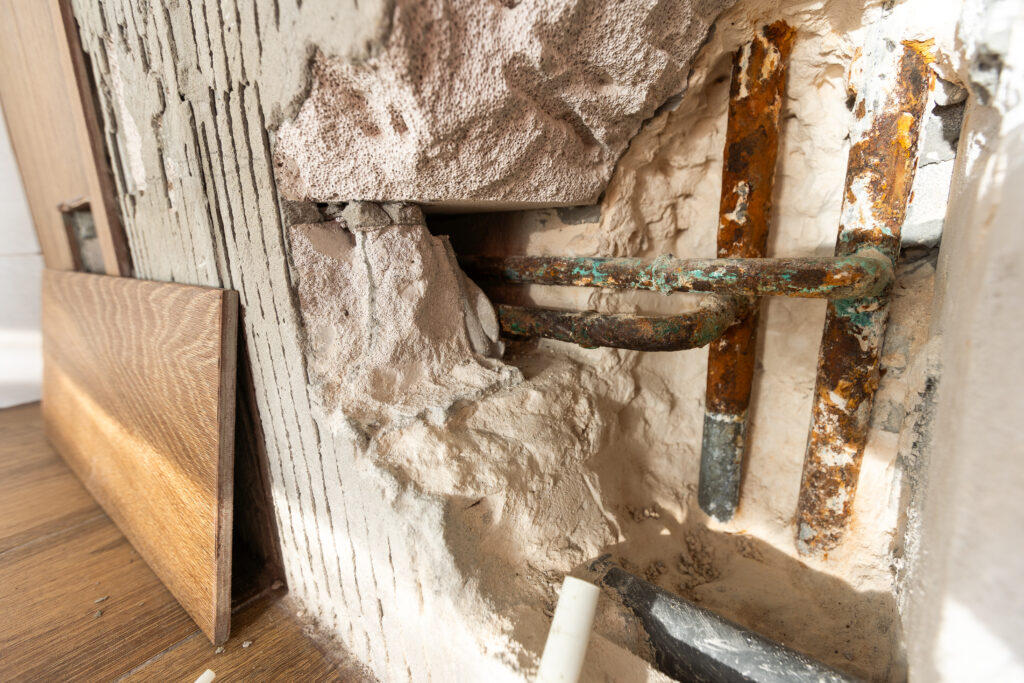
Water can travel through walls, ceilings, mechanical spaces and multiple floors before the source is identified and stopped. In high rise and multi unit buildings, even a relatively small plumbing failure can quickly become a significant event.

Common sources of condo water damage include:

For condo corporations and property managers, the cost can extend well beyond physical repairs. Major water events may contribute to resident disruption, insurance claims, higher deductibles, increased premiums, emergency response costs and pressure on reserve or contingency funds.

A proactive condo leak detection system helps reduce that exposure by identifying water problems sooner and taking action before the damage has time to spread.

How Condo Water Leak Detection Systems Work

01.

In Pipe Water Flow Monitoring

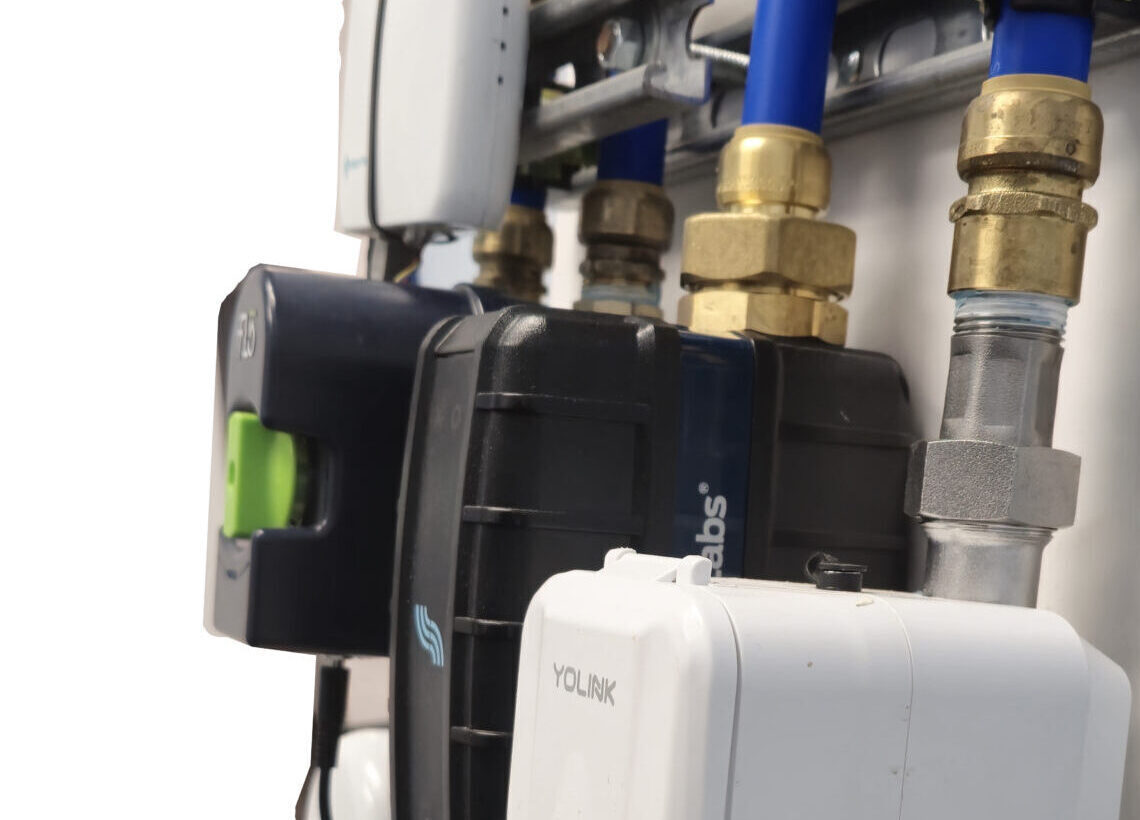
Flow sensors monitor water movement through hot and cold water services and help identify abnormal flow conditions that may indicate a leak.

Monitoring water flow provides an additional layer of protection because a plumbing problem may be detected even when water has not yet reached a floor sensor.
02.

Point of Location Leak Detection

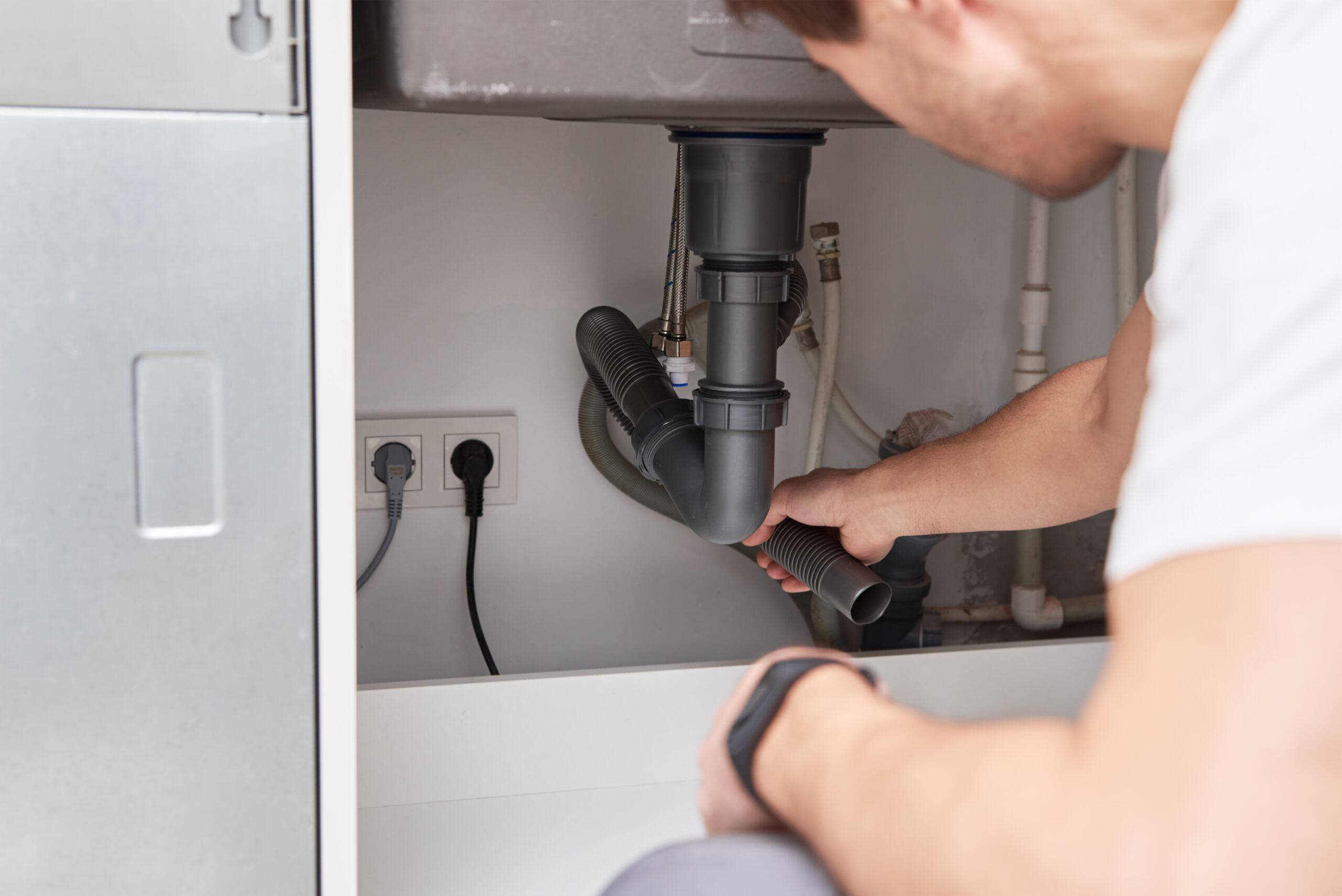
Water sensors can be strategically placed in higher risk areas throughout the building, such as beneath sinks and dishwashers, near toilets and washing machines, behind refrigerators, around water heaters, and in mechanical or plumbing areas.

When water is detected, the system can immediately send an alert and, depending on the installation, automatically shut off the affected water supply.
03.

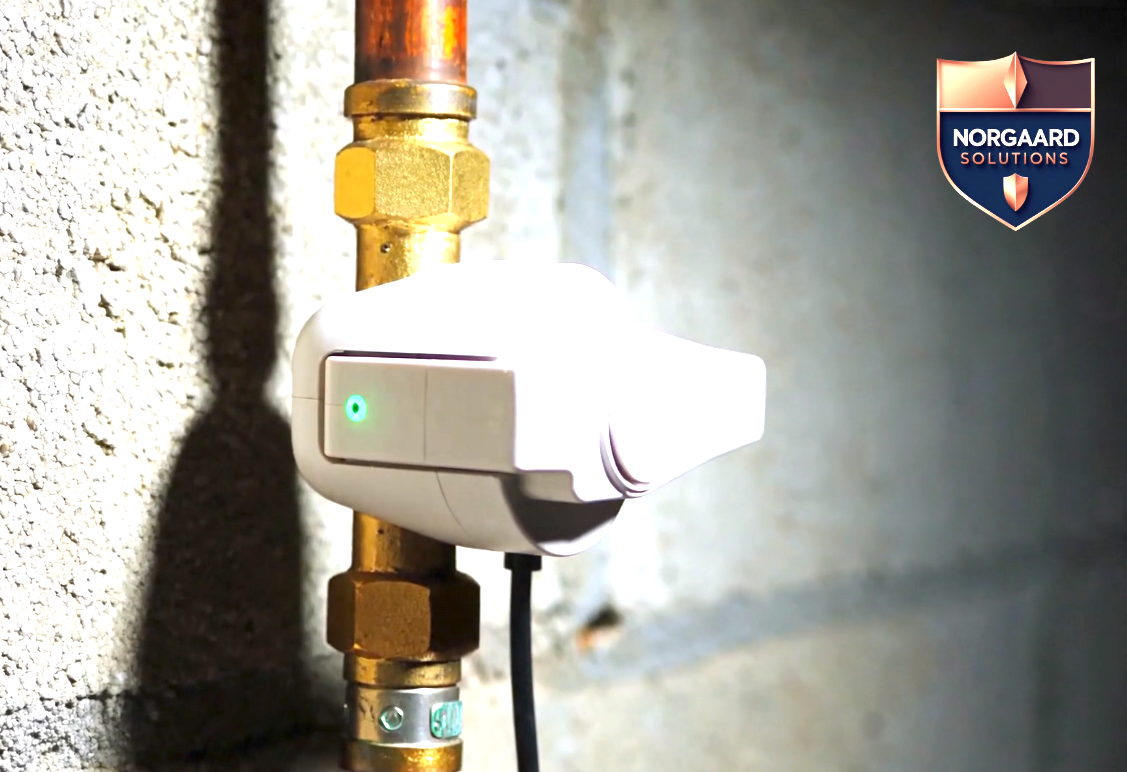
Automatic Water Shutoff

Speed matters during a water event.

Automatic shutoff valves can stop the water supply when abnormal flow or a leak is detected, helping prevent a small plumbing failure from becoming a major building loss.

Building risers can also be incorporated into a broader risk reduction strategy, giving authorized building personnel the ability to quickly shut down affected water services during an emergency.

04.

Instant Alerts and Building Oversight

Property managers, building staff and other authorized users can receive immediate notifications when an event occurs. Depending on the system configuration, alerts can be delivered through mobile applications, SMS, email or a centralized building management dashboard.

This gives building personnel real time visibility into system activity and helps them respond quickly when attention is required.

More Than Leak Detection

The goal is not simply to detect water.

The goal is to reduce building risk.

NorGaard Solutions looks at how monitoring, automatic response, building operations, plumbing conditions and other risk reduction strategies can work together.

A comprehensive strategy may include:

Every condominium is different. The appropriate solution depends on the building design, plumbing configuration, age, existing infrastructure and insurance requirements.

Centralized Monitoring for Condo and Multi Residential Buildings

Managing water risk across dozens or hundreds of condominium units requires visibility.

Centralized monitoring allows authorized building personnel to oversee sensors, valves and system activity from one platform rather than relying entirely on individual residents to report problems.

Active leak events
Automatic shutoff events
Sensor status
Device connectivity
Low battery warnings
Abnormal water activity

NorGaard Solutions operates under Norgaard Construction Ltd., bringing established construction experience to a specialized area of building protection and water risk reduction.

System changes or interruptions

Historical event data can also help demonstrate that the building has implemented an active water risk management strategy.

For insurers, property managers and condo boards, this kind of information can provide valuable insight into how the building is performing over time.

Condo Water Leak Detection FAQs

Have questions about leak detection, automatic water shutoff, building monitoring or installation? Explore answers to common questions from condo boards, property managers and building operators considering a proactive water risk reduction system.

Is the treated water safe to drink?

Yes. LEaC Shield uses sodium silicate, a food-grade mineral certified to NSF/ANSI Standard 60 for drinking-water treatment and approved by Health Canada as a food additive. The sodium silicate product used in the program is certified to NSF/ANSI/CAN 60 for drinking-water treatment when applied according to its certified use conditions. Municipal water utilities use the same corrosion-control chemistry on their own pipes.

What exactly is added to the water?

A small, precisely controlled amount of sodium silicate — sometimes called waterglass. It's an NSF-certified, food-grade mineral, and the system's water-contact materials meet NSF/ANSI Standard 61 for drinking-water components.

How does it actually protect the pipes?

As treated water flows through your plumbing, the mineral forms a microscopic protective film on the inner surface of the pipes. The treatment is designed to form a protective mineral barrier along the inside of metallic piping. When properly specified, monitored, and maintained, this can help reduce the internal corrosion associated with pinhole leaks. As a result, it also reduces the leaching of lead and copper from older pipes into your drinking water.

Will I notice any change in taste, smell, or appearance?

When the system is properly specified and operated within the manufacturer’s treatment levels, residents should not notice a significant change in the water’s taste, smell, or appearance.

Does the system need ongoing maintenance?

Yes, and that's by design. A trained technician services the system monthly to replenish the mineral and confirm the equipment is maintaining continuous protection — so the barrier never lapses.

How disruptive is installation?

Installation is generally designed to cause limited disruption. Most often the system installers will only need to access the mechanical rooms, with minimal disruption to operations.

Take a Proactive Approach to Water Risk

Start with a Building Risk Snapshot and get a clearer picture of your building’s water risk.