
- PROACTIVE BUILDING RISK ASSESSMENT
Request a Building Risk Snapshot
Identify where your building is vulnerable to water damage, insurance risk, and costly system failures — before they happen.
Get Your Building Risk Snapshot
Fill out the form below and we’ll get started.
- Know Where Your Building Is Vulnerable Before Water Finds It
Building Risk Snapshot Pricing
A practical, on-site assessment that identifies areas of water risk within your building and provides a prioritized plan to help reduce potential losses.
What We Review
- High-risk plumbing and mechanical areas
- Leak detection and automatic shutoff gaps
- Isolation valves and emergency access
- Evidence of corrosion or pipe deterioration
- Known leak history and recurring problem areas
- Monitoring, response and maintenance practices
What You Receive
- Priority findings
- Practical risk-reduction actions
- Immediate vs. planned recommendations
- Opportunities for detection, shutoff and corrosion prevention
- A clear roadmap for next steps
Keep the risk picture current
The Snapshot can become the baseline for ongoing quarterly or annual assessments – so
priorities, controls and changing building conditions are reviewed over time.
- REVIEW: Reassess risks and identify new problem areas
- VERIFY: Confirm that controls and prevention measures remain effective
- UPDATE: Refresh priorities and document progress
Initial Water Risk Snapshot
From $1,950
Establish the building baseline
Ongoing water risk reviews
From $1,250/year
Protect Your Building Before Problems Start
Water damage is one of the most common and costly risks in condos, multi-family buildings, and commercial properties across Ontario.
A single leak can:
- Affect multiple units and floors
- Cause major repair costs
- Increase insurance premiums
- Lead to long-term damage and liability
A Building Risk Snapshot helps you understand where your building is exposed — and what you can do to reduce that risk.
What Is a Building Risk Snapshot?
A Building Risk Snapshot is a professional assessment designed to evaluate your property’s exposure to water damage and system failure.
We review your building’s infrastructure, identify high-risk areas, and provide clear recommendations to help prevent costly damage.
This is not a generic report — it’s a targeted evaluation based on your building’s layout, systems, and usage.
What’s Included in Your Risk Snapshot?
- Identification of high-risk areas (plumbing, mechanical, and common failure points)
- Analysis of potential leak sources and vulnerabilities
- Review of current protection systems (if any)
- Recommendations for water damage prevention and automation
- Scalable solutions tailored to your building
The goal is simple: reduce risk, prevent damage, and protect your investment.
Designed for High-Risk & High-Value Properties
If your building has water systems, it has risk — and this assessment helps you understand it.
01.

Condominium & Strata Boards
02.

Property Management Companies
03.

Developers & Builders
04.

Government Buildings
- HOW OUR BUILDING RISK ASSESSMENT WORKS
Simple, Proven Process for Identifying Water Damage Risk
Our Building Risk Snapshot process is designed to quickly identify water damage risks, system vulnerabilities, and opportunities to improve protection in your condo, commercial, or multi-unit property.
Provide basic information about your property, including building type, size, and any known concerns related to water damage or system performance.
We review your building’s infrastructure, plumbing systems, and potential failure points to identify areas at risk for leaks, water damage, and insurance exposure.
You’ll receive a clear, easy-to-understand overview of your building’s vulnerabilities, along with recommended solutions for water damage prevention and risk reduction.
We walk you through the findings, answer your questions, and outline practical options to help protect your building and reduce long-term risk.
Why Water Risk Assessment Is Critical
Water damage is the #1 cause of property insurance claims — and the costs are increasing.
Without proactive systems in place:
Small leaks go unnoticed until major damage occurs

Insurance deductibles & premiums continue to rise
Buildings become
higher risk
to insure
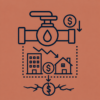
Property value and equity can be impacted
- The best time to identify risk is before damage occurs.